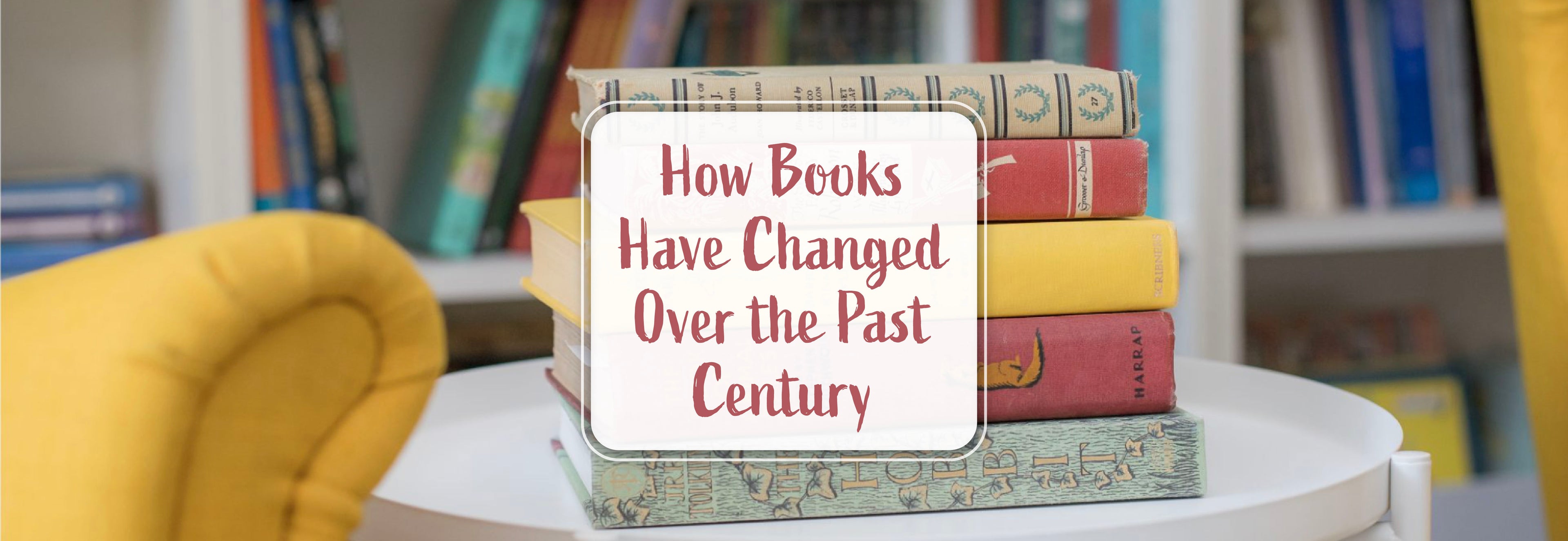
How Books Have Changed in the Past Century

Books for children have changed over the past century. Jenny Phillips shares her fascinating findings and explains how the changes in books are influencing our children. The kind of books that developed the noble character of people like Abraham Lincoln and Thomas Edison are not the kind of books you see on the best-selling children’s book lists today. Are your children really gaining benefits from the books they are reading? All parents and teachers need to watch this video!

The impact of books on education and character

So many children’s books today, I propose, are composed largely of simple sentences centered on constant thrill and adventure with little to no description or challenging words. These things actually hurt the academic growth of children, not help. Not only do the easy-read books not offer much academic benefit, but they make it hard for children to be able to read or want to read books of higher value.

Books have the power to improve writing and concentration, but not if they are void of quality writing and stripped of sensory language, poetic devices, and varied sentence structure.

Books that give deep and meaningful insights into human life can help children gain more depth of character, stronger analytical thinking skills, greater empathy for others, and increased knowledge. 

Many, if not most popular books today, are damaging these things because they are desensitizing children to violence and low character (bad manners, emotional instability), reducing their ability to recognize and feel empathy for others. 

God and faith were the main themes in the vast majority of books from that time, and today it is hard to find a best-selling children’s book for middle or older grades that is wholesome and appropriate. It is amazing to see the flood of toxic messages that are influencing children and weakening families.

Young girl reading Badger Hills Farm Series | The Good and the Beautiful

You truly can change your children’s lives by blessing them with good and beautiful books, helping them climb higher through the best literature available. Fill their lives with books that bring them to places, people, and language that leaves them strong and immovable in their faith.

Talk About Good Books

I address these issues in much more depth in the video below. Watch this together with your children. Talk to them about recognizing books that are truly good and beautiful, and why it’s important. 

As a parent, you truly can change your children’s lives by blessing them with good and beautiful books, helping them climb higher through the best literature available. Fill their lives with books that bring them to places, people, and language that leaves them strong and immovable in their faith. 

  • Have you ever thought to yourself or heard someone say, “Well, as long as my child is enjoying reading something, that’s all that matters”? Often we think that if children are reading anything that they are gaining great, academic benefits. However, that is not true with many children’s books today. 

    How Are Books Impacting Children Today?

    You may be very surprised to find out the answer. My name is Jenny Phillips. I’m the founder of The Good and the Beautiful. For many years, I have deeply studied and analyzed books and how they changed over the past 150 years. I’m excited to share my fascinating discoveries with you and how they affect children. 

    Comparing Bestselling Books 

    What would you discover if you compare just the first five sentences of the top five best-selling books for middle grades on Amazon.com today with the five top-selling books for middle grades in 1877? The differences are astounding. 

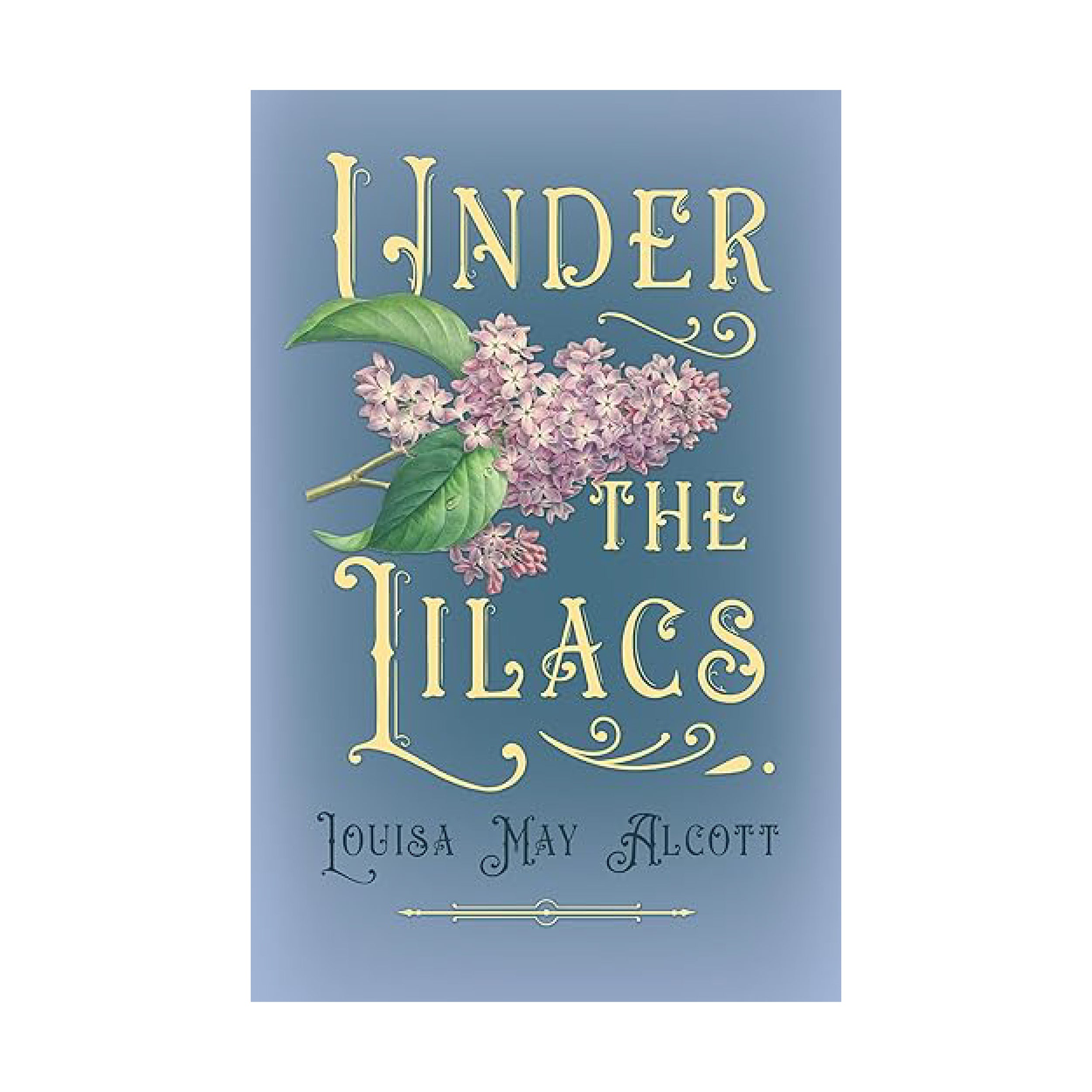
Under the Lilacs

Under the LilacsHere are the first five sentences of a best-selling book from 1877, Under the Lilacs
  • The elm-tree avenue was all overgrown, the great gate was never unlocked, and the old house had been shut up for several years.

    Yet voices were heard about the place, the lilacs nodded over the high wall as if they said, “We could tell fine secrets if we chose,” and the mullein outside the gate made haste to reach the keyhole, that it might peep in and see what was going on. If it had suddenly grown up like a magic bean-stalk, and looked in on a certain June day, it would have seen a droll but pleasant sight, for somebody evidently was going to have a party.

    From the gate to the porch went a wide walk, paved with smooth slabs of dark stone, and bordered with the tall bushes which met overhead, making a green roof. All sorts of neglected flowers and wild weeds grew between their stems, covering the walls of this summer parlor with the prettiest tapestry.

Now, compare it to the first five sentences of the number one best-selling book from 2019 for middle grades on Amazon.com.

“I know I’m not an ordinary ten-year-old kid. I mean, sure, I do ordinary things. I eat ice cream. I ride my bike. I have an Xbox.”

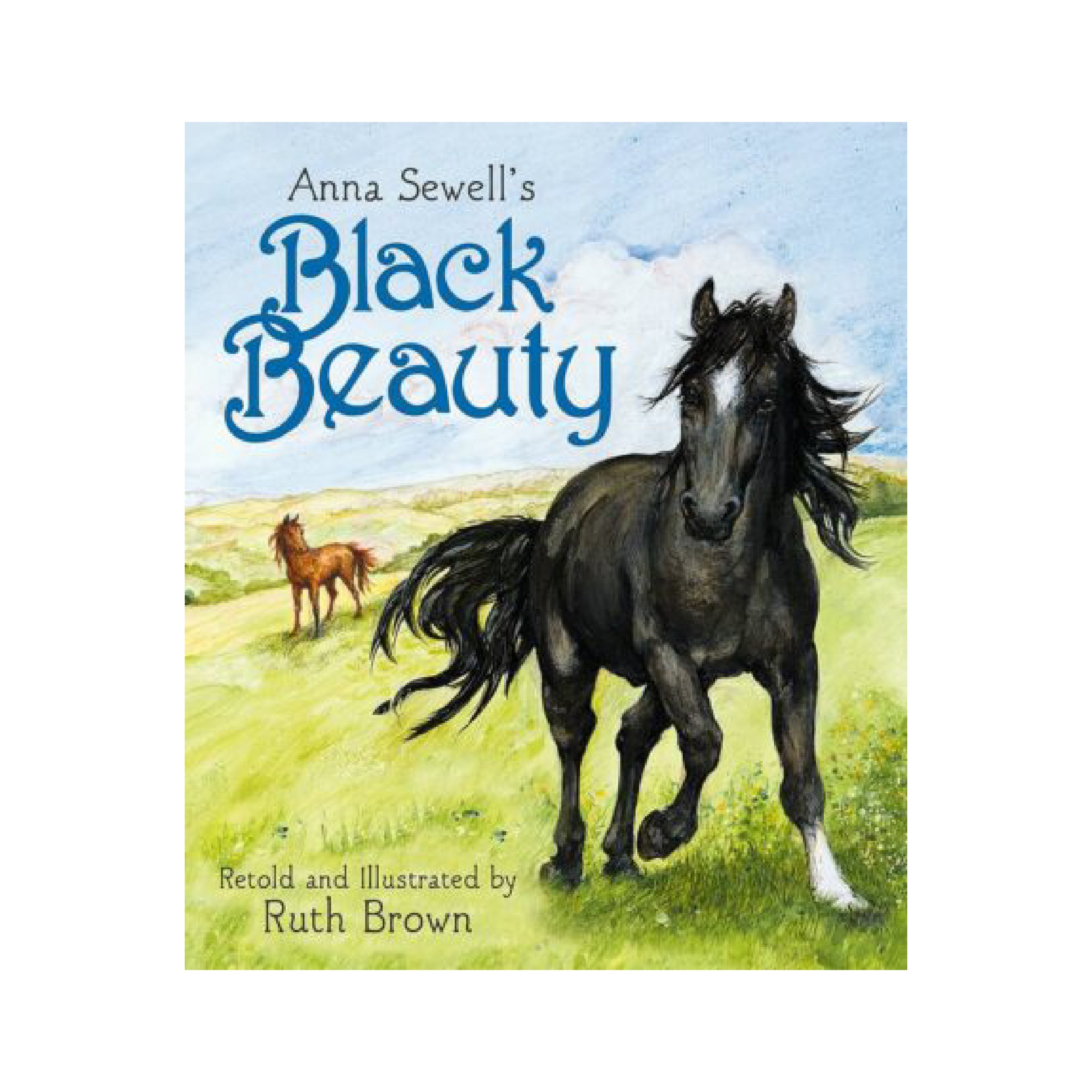
Black Beauty

Let’s look at one more example comparison. Here are the first six sentences of a best-selling book from 1877, Black Beauty

  • The first place that I can well remember was a large pleasant meadow with a pond of clear water in it. Some shady trees leaned over it, and rushes and water-lilies grew at the deep end. Over the hedge on one side we looked into a plowed field, and on the other we looked over a gate at our master’s house, which stood by the roadside; at the top of the meadow was a grove of fir trees, and at the bottom a running brook overhung by a steep bank.

    While I was young I lived upon my mother’s milk, as I could not eat grass. In the daytime I ran by her side, and at night I lay down close by her. When it was hot we used to stand by the pond in the shade of the trees, and when it was cold we had a nice warm shed near the grove.

    As soon as I was old enough to eat grass my mother used to go out to work in the daytime, and come back in the evening.

    There were six young colts in the meadow besides me; they were older than I was; some were nearly as large as grown-up horses.

Now compare that to the first five sentences of the number two best-selling book for 2019 for middle grades on Amazon.com.

“I am Ivan. I am a gorilla. It’s not as easy as it looks. People call me the Freeway Gorilla. The Ape at Exit 8.” 

What do you notice in those comparisons of the first five sentences? It’s pretty eye-opening. 

Notice the Differences

1. Sentence Structure

One way that books have changed in the past century and a half, is that they have become much less complex. The trend today is to use a lot more simple sentence structures. The more complex the sentence structure, the harder your brain has to focus and remember. This is how books increase memory, focus, and attention span. Books made of many simple sentence structures do not make the brain work hard or focus. Thus those books do not do well at increasing attention span, focus, concentration, or memory. 

2. Descriptive Language

What else did you notice about the comparisons of those first five sentences? Did you realize how many more describing words, adjectives, and adverbs were used? In the first five sentences of the five top selling books in 2019 combined, there were 11 adjectives and adverbs used. Only 11. 

In these five top-selling books of 1877, in the first five sentences, there are 69 adjectives and adverbs. That is a 500% increase in the use of descriptive words. It’s shocking, but there’s more. In the first five sentences of those top books from 1877, 36% of the sentences used challenging vocabulary words, 40% used poetic devices, and 30% used sensory language. In comparison, in the first five sentences of those top five books of 2019, 0% of the sentences use challenging vocabulary words, 0% use poetic devices and 0% use sensory language.

Compare the Data

  • A comparison of the first five sentences of the top five books from 1877 vs. 2019 | The Good and the Beautiful

Taken together, these comparisons reveal a clear shift in children’s books over time. Earlier books tend to use richer language, longer and more complex sentence structures, and more descriptive detail, all of which require deeper focus and engagement from the reader. Many popular books today rely on simpler language and structure, offering fewer opportunities to build vocabulary, attention span, and deep reading skills. These differences help explain why the quality and style of books children read matters so much.

Why Do Good Books Matter?

It’s affecting children. First, let’s look at academics. Let’s say a child is reading a book, like those from 2019 that we just studied. Are they gaining much of the following potential academic benefits of a book: a varied, rich vocabulary? No. Increased focus, concentration, and memory? No. Longer attention span? No. Many children’s books today do not give these benefits or they do not give them very well. 

As I already talked about, the simplification of language and sentence structure in many books today do not give much benefit in increasing vocabulary, focus, concentration, or memory. In fact, I propose that books composed largely of simple sentences, that are centered on constant thrill and adventure, with little to no description or challenging vocabulary words, actually hurt academics, not help. 

These kinds of books wire the brain to expect constant thrill and excitement, ease, and instant gratification. A brain wired like this has a hard time focusing on materials that are not constantly thrilling or easy. Thus many popular books today, if not most, are not giving much academic benefit and likely are doing harm to academics. 

Potential Benefits of Books

Next, let’s look at other potential benefits in books. Books have the power to improve writing skills, but not if the books do not contain model writing. Books stripped of sensory language, poetic devices, and varied sentence structures, do not help with improved writing skills. Books that give deep and meaningful insights into human life can help a child gain more depth of character, stronger analytical thinking skills, greater empathy for others, and increased knowledge. 

Many, if not most, popular books today are not giving those benefits or are not giving them very well. In fact, many books today are damaging those things because they are desensitizing children to violence and low character—thus actually reducing the child’s ability to recognize and feel meaningful insights, depth of character, and empathy for others. It’s not that books of the 1800s are just about sunshine and roses; they address deep themes: neglectful parents, death, suicide, poverty, and more. But they did so in ways that were respectful and inspiring, and they never made wrong behavior look like the norm. 

Books Influence Behavior

In children’s books for middle or older grades in the 1800s and early 1900s, it is extremely rare to find any instances of bad behavior or bad attitudes being made to look acceptable. God and faith were main themes in the vast majority of children’s books from the 1800s. God and faith are almost non-existent now in children’s books for middle and older grades. Today when I review books, it is rare to find a best-selling children’s book for middle to older grades that is wholesome and appropriate. They are there, but they are not common. Once you really start evaluating it, it is amazing to see the flood of toxic messages that are destroying character and weakening families, and parents have no idea. For an eye-opening look at this topic, watch my video It’s Time to Be Brave About Books

Books Influence Character

Just to give you a quick idea of how many negative messages may be packed in your children’s books without you realizing it, let’s look at one series of books for young children that may seem harmless and fun. It is a best-selling series about a funny little mouse. In my study of this series, in addition to very low literary value, I found the following negative messages made to seem funny and acceptable: negativity, arrogance, squabbling, name-calling, crudeness, self-centeredness, whining, rudeness, potty language, and making fun of family relationships. 

I am the first to admit that I bought all of the books in that series for my children when they were young because they loved them, and I was so excited that my children loved to read. I had no idea. These books have no nutrients, no literary value, and they teach children to be rude, arrogant, and selfish. Why are we giving our children these kinds of books when they are gaining nothing but ill rewards from them? 

In my study of books from the late 1800s and early 1900s, I have found that books have changed, and they are changing our children. 

Return to Pure and Powerful Literature

I invite you to join the movement to return to literature that is pure and powerful. If you want to know what a child is becoming and what they are headed for, look at the books they are reading. 

I have witnessed the life-altering changes that come into a child’s life when they immerse themselves in learning and in books that are truly good and beautiful. Books have changed history, books have changed nations, and books have changed people. The kind of books that develop the noble character of people like Abraham Lincoln and Thomas Edison, are not the kind of books that you now see on the best-selling children’s book list today. Let me give you one more eye-opening comparison before I close.

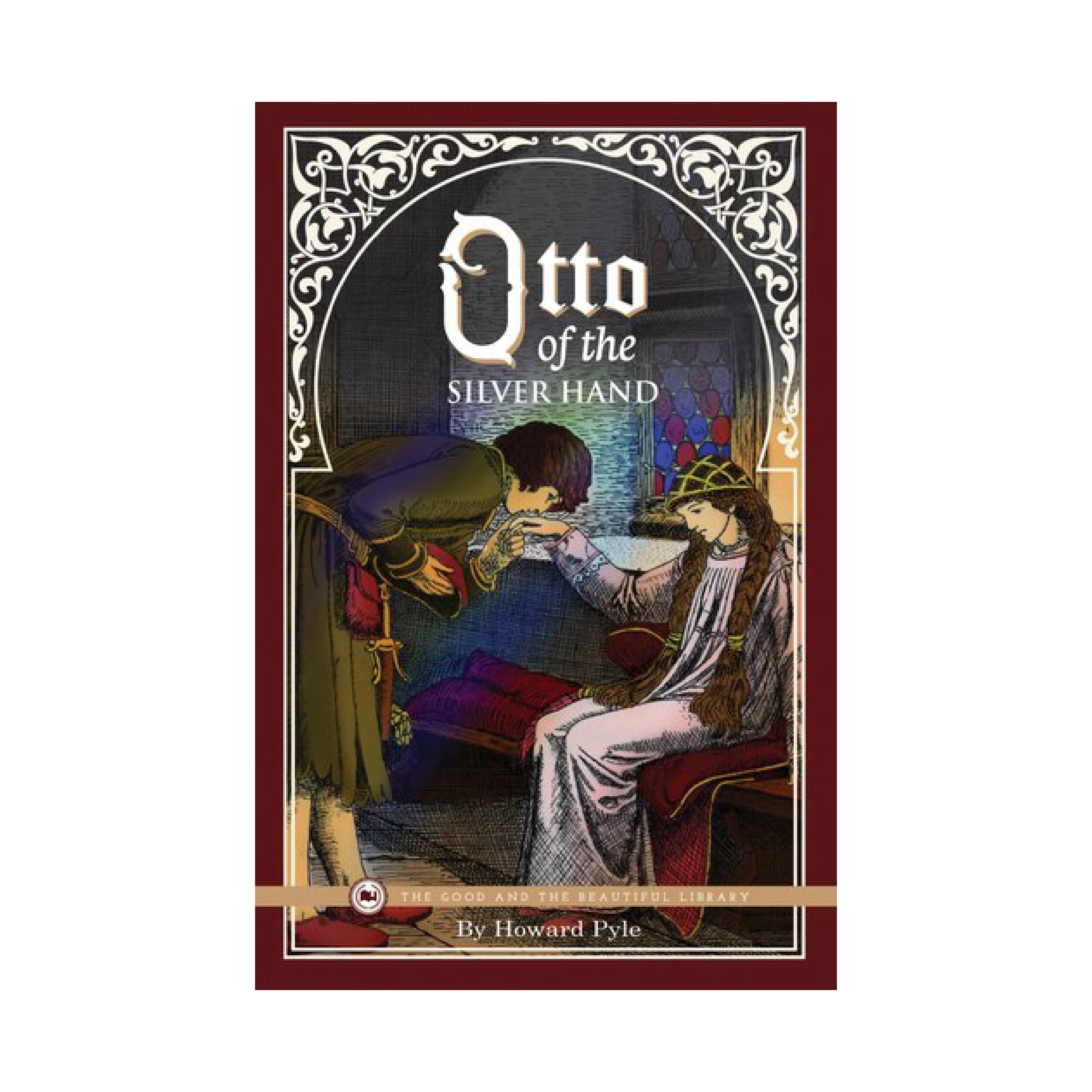
  • One Final Comparison

    The first fifty sentences of the children’s classic book, Otto of the Silver Hand, in addition to having many complex sentence structures, has an astounding number of adjectives and adverbs: 140.

In contrast, a modern book for the same grade level, Diary of a 6th Grade Ninja, has only 20 adjectives and adverbs. Additionally, Diary of a 6th Grade Ninja contains no figurative language and no elevated vocabulary words, while Otto of the Silver Hand has 30 elevated vocabulary words and 14 uses of figurative language including beautifully written instances of personification, similes, and metaphors. 

The first 50 sentences of Otto of the Silver Hand also have 28 uses of vivid sensory language describing sound, touch, taste, and smell. While the first 50 sentences of Diary of a 6th Grade Ninja do not contain a single use of sensory language describing sound, touch, taste, or smell. 

Bringing Back Good Literature 

We are losing generations of children who can recognize, appreciate, and seek out good and beautiful books. Parents and teachers, you can change that. Watch our other videos about books on our blog. Have your children watch these videos with you. Help spread this message to the world and bless others. Our world needs light. Our world needs a return to good literature.

  • The text "Access the Free Book List" surrounded by illustrated watercolor books | The Good and the Beautiful
  • The Good and the Beautiful Book List

    At The Good and the Beautiful, we have searched through thousands and thousands of books to find those that are at the highest literary, moral, educational, and entertainment value. You can find our top recommendations on our free The Good and the Beautiful Book List.

Sign up or sign in to access the complete book list of more than 1,100 recommended books for children and parents.

Drop by drop every book is filling your child’s mind and shaping who they are. Are the things filling your child’s mind clean? As a parent and as a teacher, you can greatly impact a child’s life. You can truly change a child’s life, through blessing them with good and beautiful books. Bring your children to the best literature. Help them to climb to higher places through worthy books. Bring them to places and people and language that will leave them strong and immovable in following the Savior, Jesus Christ. Fill their lives with purity and beauty and joy through the books that they read.

The text "Parent List" on a blue watercolor background with greenery, flowers, and an open book | The Good and the Beautiful

Parents Need Good Books Too!

Are you stumped about where to find books that fill YOU with a JOY for reading? There’s a filter on the Book List just for parents

Explore Parent List
A school-aged girl and her mom sitting on couches reading books from the Badger Hills Farm series | The Good and the Beautiful

The Parent Book List is a mix of highly recommended fiction, nonfiction, light romance, biography, and personal growth genres. All books are profanity-free and do not contain any inappropriate sexual content. Check out this new and growing feature so you can create a “Favorites List” for yourself before your next library visit. 

New titles for parents are being added regularly, so be sure to check back often!

You may also like . . .
  • Be Brave About Books Blog Post
  • Homeschooling with The Good and the Beautiful—What it's all about.
  • How to get Children Interested in Good and Beautiful Books
  • Follow The Good and the Beautiful on Facebook
  • Follow The Good and the Beautiful on Instagram
  • Follow The Good and the Beautiful on Pinterest
  • Follow The Good and the Beautiful on Youtube
  • Follow The Good and the Beautiful on TikTok

Join the Discussion

Please note, comments need to be approved before they are published.