


Fun Ways to Learn About Geography with the World Cup
⚽ Learn fun facts about a team’s country.
⚽ Read about some of that country’s historical events.
⚽ Listen to music or a story told in the country’s national language.
⚽ Cook a simple dish from your selected country.
⚽ Look up the weather of your selected country. How does it compare to your weather at home?
⚽ Talk about how the climate and terrain of your chosen country might affect how soccer players train.
⚽ Root for the country your ancestors are from and talk about family cultures and traditions.

Physical Education: Practicing and Playing Soccer
It’s time to grab a soccer ball and get moving! Below are some of our favorite soccer drills and games.
Wall Ball Drills
Have your children kick a soccer ball against a wall. When the ball bounces off the wall and returns to them, instruct them to control it and kick it back to the wall. Time how long they can keep it up, or count how many kicks they can make in a row! This strengthens motor skills and kicking accuracy, and provides excellent exercise.

Cone Weaving
Perform cone-weaving drills by having your children kick or weave balls through soccer cones. The closer the cones, the harder the drills! This develops motor skills and improves aim.
Red Light, Green Light
For this game, mark a start and finish line at each end of the yard. Line your children up at the starting line and place a ball at each child’s feet. Each child dribbles their ball toward the finish line. But here’s the catch—they can only move when you call out “green light”; they (and their balls) must stop moving when you call out “red light!” If you catch anyone moving during a “red light,” they must return to the starting line. This game improves listening, reaction, and ball control skills.
Play a Traditional Soccer Game
As a family, invite your friends and neighbors to join in for a backyard soccer game. If desired, create teams and custom jerseys!

World Cup Arts and Crafts
Now that your children have exercised their bodies, it’s time to exercise their creative minds!
Here are some of our favorite World Cup-themed crafts:
- Pick a few countries and make their flags out of colored craft paper.
- Design your own soccer jerseys! You could create a family jersey together or allow each child to make their own individual jerseys.
- Construct a mini soccer field using an old shoe box and paint. Crumple a piece of scrap paper or find a small ball and use your fingers to “kick” the ball across the mini field.
- Craft a World Cup trophy with clay, play dough, or another moldable material.
- Design a soccer ball—either our FREE soccer ball coloring page or a real soccer ball! If decorating a real soccer ball, use permanent markers and allow the ink to “cure” for 24-hours before using the ball to prevent smudging.

History of the FIFA World Cup
What better way to honor and celebrate this epic tournament than by learning about and researching the history of the FIFA World Cup?
Use our World Cup trivia facts below to learn about the tournament or to quiz your kids on their soccer knowledge!
Then dig a little deeper with research of your own! Check out library books about soccer for more fun learning. (See our book recommendations below.)
FIFA World Cup History Trivia FAQs
Ready to test your knowledge of the FIFA World Cup? Read the following questions as a soccer history lesson or use the trivia for a friendly competition with your kids!
How many FIFA World Cup tournaments have there been?
There have been 23 tournaments of the men’s FIFA World Cup, with the first tournament held in 1930.
How often is the FIFA World Cup held?
The men’s FIFA World Cup tournament is held every four years. However, there was a break in the tournament in the 1940s during World War II.
How do teams qualify for the FIFA World Cup tournament?
National soccer teams qualify for the FIFA World Cup through multi-year regional tournaments organized by FIFA’s six continental confederations. Hopeful teams must advance through group stages, and sometimes playoffs, to secure their spot in the FIFA World Cup. Prior to 2026 only 32 national teams could qualify for the World Cup. But beginning with the 2026 tournament, and all future tournaments, the FIFA World Cup has expanded to feature 48 teams.
How does the FIFA World Cup work?
Forty-eight national teams are divided into 12 groups of four teams each. Each team plays the other teams within their group. A win earns a team three points while draws earn one point. The top two teams with the highest points in each group move on to the next round. There are official rules for determining group winners in case of ties.
Quarter-finals followed by semi-final rounds determine who moves on to the Bronze match, where the third place winner will be determined. After a month of playoff games, the final match is played to determine the first- and second-place winners. In total 104 soccer games are played during the international tournament.

Where have the FIFA World Cup tournaments been held?
The men’s FIFA World Cup tournament has been held in countries all over the world: North America, South America, Europe, Asia, and Africa. The 2026 FIFA World Cup is being hosted by Canada, Mexico, and the United States—the first time the cup has been hosted by three countries!
What does “FIFA” stand for?
“FIFA” stands for “Fédération Internationale de Football Association,” which translates from French to English as the “International Federation of Association Football.”
Which country won the first-ever men’s FIFA World Cup?
The first country to win the FIFA World Cup was Uruguay in 1930.
What is the Jules Rimet trophy, and what is the history behind it?

The first FIFA World Cup trophy was designed after the ancient Greek goddess of victory named Nike. The gold-plated sterling silver trophy named Victory was designed by French sculptor Abel Lafleur. It was later renamed the Jules Rimet trophy after the FIFA President during the inaugural 1930 tournament.
The coveted trophy spent decades traveling every four years. In 1966 it was stolen while on public display but was later dug up in a bush by a nosy dog named Pickles in South London. In 1970 three-time FIFA World Cup winner Brazil took ownership of the Jules Rimet. However, the trophy was stolen once again in 1983, never to be seen again.
The current FIFA World Cup trophy, introduced in 1974, can never be permanently won. Champion teams of the Cup now receive a bronze replica of the statue, while the gold original is returned to FIFA headquarters each year.
What does the FIFA World Cup trophy look like? Who designed it?

The current FIFA World Cup trophy was designed by Silvio Gazzaniga, an Italian artist. The trophy is a gold statue of two people holding up the world, symbolizing international unity.
Unlike the original FIFA trophy, which traveled from country to country with the winning team, the champions hold the current official trophy for photo ops at the end of the tournament, but receive replica trophies to take home.
Do only Americans call the sport “soccer”? Do all other countries besides the US call it “football”?
No, many other countries use the sport name “soccer,” including Canada, Australia, New Zealand, Japan, Ireland, and South Africa.
Which came first: soccer or American football?
The modern sport of soccer began in England in the mid-1800s. Ancient versions of the sport have been tied to Mesoamerica and China. American football began at the end of the nineteenth century and was modeled after a combination of soccer and rugby.

The Final Match
You’ve learned all about the FIFA World Cup. When it’s time to watch the final match, combine all your lessons up to this point and apply them to the final game!
- Decorate your together with flags and World Cup-themed decorations.
- Determine the probability of which team will win and why.
- Serve foods from the competing countries.
- Pick a team to cheer on as you watch the game! Wear their colors.
- Practice some techniques players use in the game.
Are your kids itching for more soccer? Check out these fun and educational book recommendations and resources from The Good and the Beautiful.
-

Find Young Pelé—Soccer's First Star and more book recommendations on The Good and the Beautiful Book List.
-

Motion in Sports is part of the Motion and Simple Machines family-style science unit for grades 3–8 from The Good and the Beautiful.







Related Posts
-

70 Fun Activities Grandparents Can Do with Gran...
Discover the benefits of grandparents spending time with their grandchildren, and download a list of 70 fun activities they can do together!
70 Fun Activities Grandparents Can Do with Gran...
Discover the benefits of grandparents spending time with their grandchildren, and download a list of 70 fun activities they can do together!
Read more 70 Fun Activities Grandparents Can Do with Grandkids -

Top Tips for Homeschool Organization
Homeschool organization tips to keep your space calm and clutter-free. Learn simple ways to organize curriculum, supplies, and homeschool schedules.
Top Tips for Homeschool Organization
Homeschool organization tips to keep your space calm and clutter-free. Learn simple ways to organize curriculum, supplies, and homeschool schedules.
Read more Top Tips for Homeschool Organization -

Alternatives to Public School: Choosing the Bes...
Considering alternatives to public school? Explore homeschooling, charter schools, private schools, and other options for your family.
Alternatives to Public School: Choosing the Bes...
Considering alternatives to public school? Explore homeschooling, charter schools, private schools, and other options for your family.
Read more Alternatives to Public School: Choosing the Best Option for Your Child -
 3 comments
How Dads Do Homeschool
Wondering how dads do homeschool? In this post we explore the many ways homeschool dads contribute to their children’s education and character.
3 commentsHow Dads Do Homeschool
Wondering how dads do homeschool? In this post we explore the many ways homeschool dads contribute to their children’s education and character.
Read more How Dads Do Homeschool -
 5 comments
Homeschool Requirements
One of the first questions many parents ask when they begin to consider homeschooling is this: What are my state’s homeschooling requirements? Learn about the requirements and where to find...
5 commentsHomeschool Requirements
One of the first questions many parents ask when they begin to consider homeschooling is this: What are my state’s homeschooling requirements? Learn about the requirements and where to find...
Read more Homeschool Requirements -

How Much Does Homeschooling Cost?
Interested in homeschooling? Get a look at common homeschooling expenses to help you estimate costs and see how homeschooling might fit within your family's budget.
How Much Does Homeschooling Cost?
Interested in homeschooling? Get a look at common homeschooling expenses to help you estimate costs and see how homeschooling might fit within your family's budget.
Read more How Much Does Homeschooling Cost? -

What Is a Subordinating Conjunction?
Help your child memorize 16 commonly used subordinating conjunctions with the illustrated “Subordinating Conjunctions Song” and free worksheets from The Good and the Beautiful Level 5 Language Arts course.
What Is a Subordinating Conjunction?
Help your child memorize 16 commonly used subordinating conjunctions with the illustrated “Subordinating Conjunctions Song” and free worksheets from The Good and the Beautiful Level 5 Language Arts course.
Read more What Is a Subordinating Conjunction? -

What Are Being Verbs?
Help your child memorize the eight being verbs with the illustrated “Being Verbs Song” and free worksheets from The Good and the Beautiful Level 4 Language Arts course.
What Are Being Verbs?
Help your child memorize the eight being verbs with the illustrated “Being Verbs Song” and free worksheets from The Good and the Beautiful Level 4 Language Arts course.
Read more What Are Being Verbs? -

What Are Prepositions?
Help your child memorize more than 30 prepositions with the illustrated “Preposition Song” and free worksheets from The Good and the Beautiful Level 4 Language Arts course.
What Are Prepositions?
Help your child memorize more than 30 prepositions with the illustrated “Preposition Song” and free worksheets from The Good and the Beautiful Level 4 Language Arts course.
Read more What Are Prepositions? -

Are Homeschoolers Too Sheltered?
Many parents struggle with the question of how much to shelter their children from the difficulties and trials in life. Homeschool families are no exception. Are homeschoolers too sheltered? Jenny...
Are Homeschoolers Too Sheltered?
Many parents struggle with the question of how much to shelter their children from the difficulties and trials in life. Homeschool families are no exception. Are homeschoolers too sheltered? Jenny...
Read more Are Homeschoolers Too Sheltered? -
 1 comment
Do Kids Really Need to Learn Cursive?
Is learning cursive really necessary? You might be surprised by Jenny’s answer. In this blog post and video, she shares some of the benefits of learning cursive and how The...
1 commentDo Kids Really Need to Learn Cursive?
Is learning cursive really necessary? You might be surprised by Jenny’s answer. In this blog post and video, she shares some of the benefits of learning cursive and how The...
Read more Do Kids Really Need to Learn Cursive? -
 47 comments
Months of the Year
Learning the months of the year is easy with this adorable "Months of the Year" song that takes children through the changing seasons. Keep reading for fun activities to do...
47 commentsMonths of the Year
Learning the months of the year is easy with this adorable "Months of the Year" song that takes children through the changing seasons. Keep reading for fun activities to do...
Read more Months of the Year -
 8 comments
Days of the Week
Learning the names of the days is easy with this simple Days of the Week song from The Good and the Beautiful. Find fun ways to practice putting the days...
8 commentsDays of the Week
Learning the names of the days is easy with this simple Days of the Week song from The Good and the Beautiful. Find fun ways to practice putting the days...
Read more Days of the Week -
 28 comments
Top 5 Tips for Homeschool Planning
Wondering how to get ahead on homeschool prep this summer? Keep reading for Jenny’s top 5 tips to make this homeschool year the best one yet!
28 commentsTop 5 Tips for Homeschool Planning
Wondering how to get ahead on homeschool prep this summer? Keep reading for Jenny’s top 5 tips to make this homeschool year the best one yet!
Read more Top 5 Tips for Homeschool Planning -
 1 comment
Tips for Managing Summer Screen Time
Find simple, practical tips to help reduce screen use, encourage creativity, and create a more joyful and balanced summer for your family.
1 commentTips for Managing Summer Screen Time
Find simple, practical tips to help reduce screen use, encourage creativity, and create a more joyful and balanced summer for your family.
Read more Tips for Managing Summer Screen Time -
 3 comments
Tips for Limiting Screen Time
Technology brings a wealth of information to our fingertips, but overuse of screen time has become an issue for many families. Jenny Phillips shares her family’s journey to limiting screen...
3 commentsTips for Limiting Screen Time
Technology brings a wealth of information to our fingertips, but overuse of screen time has become an issue for many families. Jenny Phillips shares her family’s journey to limiting screen...
Read more Tips for Limiting Screen Time -
 11 comments
Homeschooling Year-Round vs Traditional
Is a traditional or year-round homeschool schedule best for your family? Watch this video from The Good and the Beautiful YouTube channel to find out some benefits and drawbacks of...
11 commentsHomeschooling Year-Round vs Traditional
Is a traditional or year-round homeschool schedule best for your family? Watch this video from The Good and the Beautiful YouTube channel to find out some benefits and drawbacks of...
Read more Homeschooling Year-Round vs Traditional -

Is Sentence Diagramming Necessary for Learning ...
Sentence diagramming can be a grammar exercise students either love or run from. Sit down with Jenny Phillips in this video and blog post as she discusses how and why...
Is Sentence Diagramming Necessary for Learning ...
Sentence diagramming can be a grammar exercise students either love or run from. Sit down with Jenny Phillips in this video and blog post as she discusses how and why...
Read more Is Sentence Diagramming Necessary for Learning Grammar? -
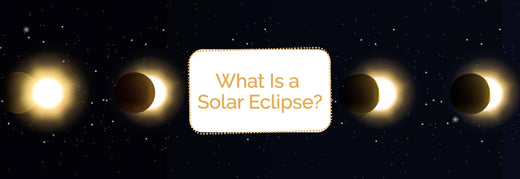
What Is a Solar Eclipse?
Witnessing a total solar eclipse is a once-in-a-lifetime experience for most. Learn all about total solar eclipses and how to safely view one. Then download directions for a fun solar...
What Is a Solar Eclipse?
Witnessing a total solar eclipse is a once-in-a-lifetime experience for most. Learn all about total solar eclipses and how to safely view one. Then download directions for a fun solar...
Read more What Is a Solar Eclipse?


2 comments
Thanks for the crafts and ldeas! My children love them! 🏆⚽
These are such great ideas! Thank you for sharing and thank you for linking the resources! We have had so much fun incorporating these!