

Benefits of Using Board Games for Homeschool
There are many behavioral and educational benefits to including board games in your homeschool schedule, such as teaching children critical thinking skills and sportsmanship and reinforcing their daily language and math lessons. Let’s explore these board game benefits!
Behavioral Benefits of Playing Board Games
We all know the term “sore loser,” and we try to teach our children not to be one. But it takes time and intentional training to help children understand they can’t win all the time and to learn how to deal with that disappointment.
Even more importantly, when they lose or stumble, we must teach our children how to pull themselves back up and try again—and then how to offer sincere congratulations to the winning player!
Family board game time is a safe place to model important moral and behavioral lessons that can be as basic as taking turns, waiting patiently, and winning or losing respectfully.
10 Positive Praises to Say to Your Child While Playing Games
- That was a nice move! You’re really good at this game.
- Thanks for waiting patiently for your turn.
- Wow! That’s a great answer. It was a challenging question.
- Thanks for letting your sister go first. That was very kind of you.
- I love how you are trying different ways to solve this problem.
- Thanks for your kind words to your brother when he lost the game.
- You were a gracious winner! Thanks for playing.
- I know it’s not fun to lose, but you played a good game.
- Thanks for playing with a great attitude!
- I had fun playing this game with you.

Educational Benefits of Playing Board Games
Games encourage children to stretch their thinking skills and to solve problems or puzzles that are unique and challenging. Telling time, adding and subtracting money, reading advanced words, critical thinking, strategizing, and so many more skills can be taught through board games.
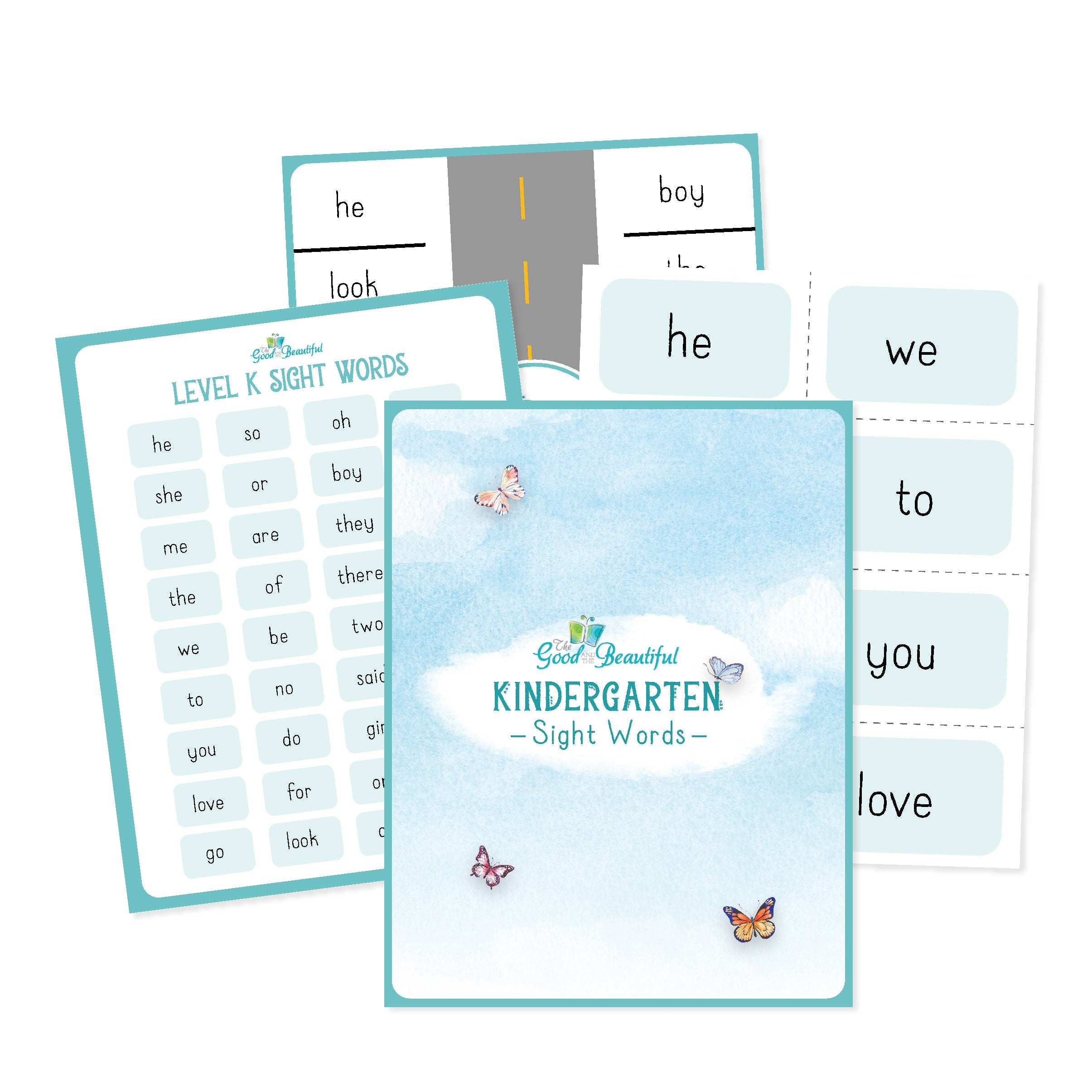
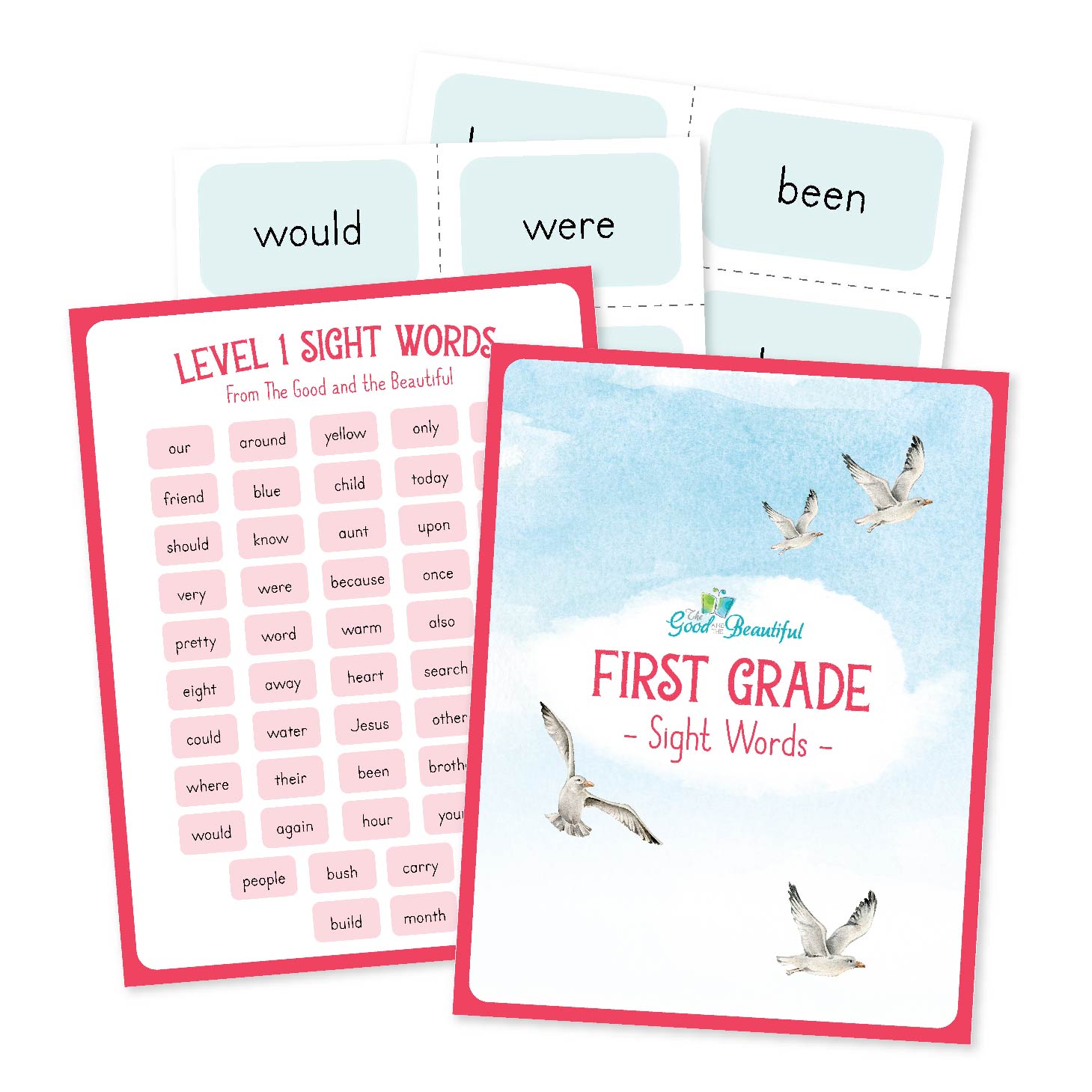
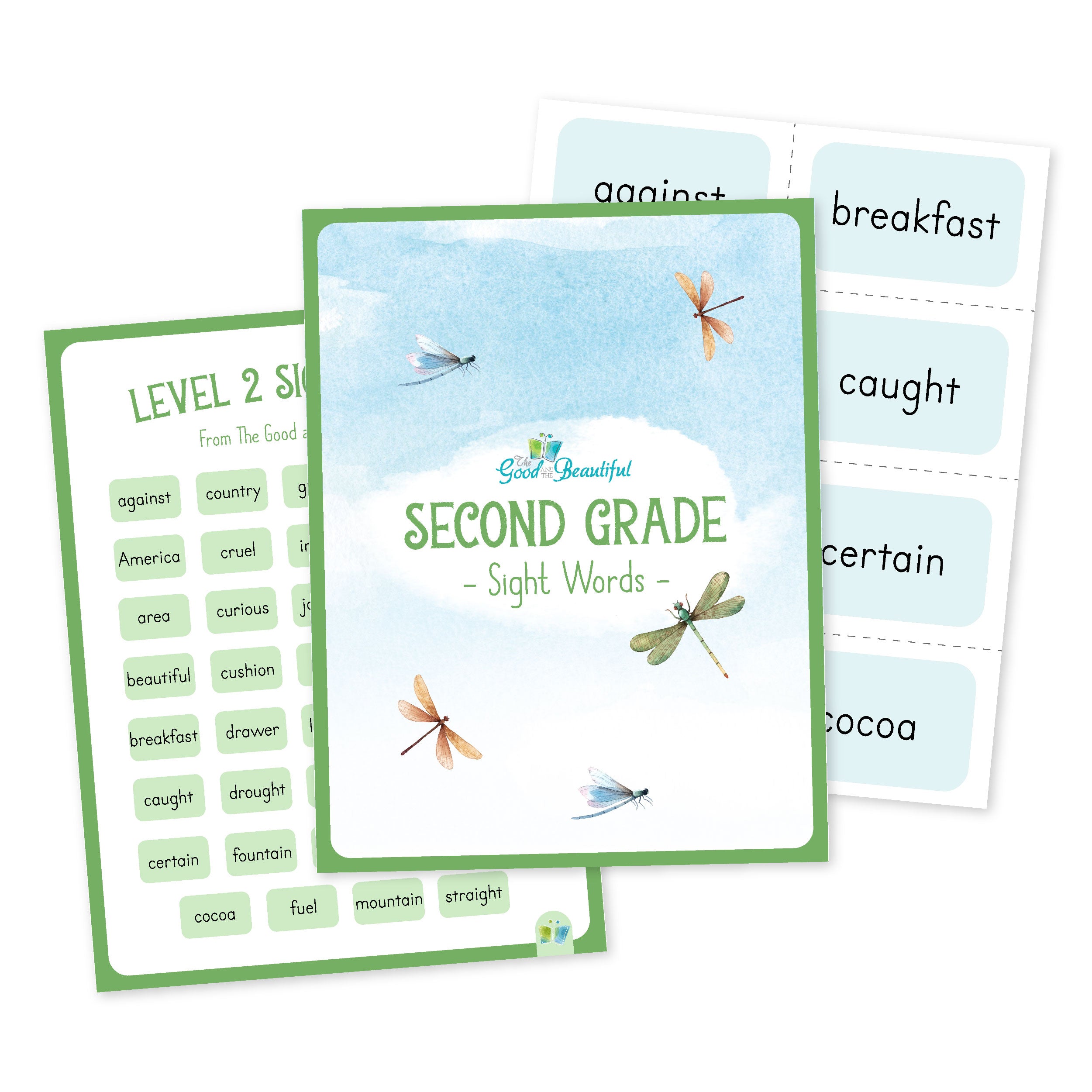
Games are a great way to combine multiple disciplines into one efficient but effective learning experience. This is something The Good and the Beautiful believes in, which is why we incorporate games directly into the lessons of our various curriculum products. Whether it’s a matching game to practice sight words or a fact puzzle about the International Space Station, games make learning even more exciting!
Social and Educational Benefits of Playing Board Games
- Enhances social skills, including learning about turn-taking and losing
- Improves knowledge, especially when using learning games
- Encourages fun and wholesome sibling and parent bonding
- Increases confidence and empathy
- Strengthens critical thinking skills

How to Choose Board Games for Kids
There are so many options for board games—it can sometimes feel overwhelming! Various websites provide reviews on thousands of games, many homeschool blogs offer ideas, and friends often have excellent suggestions! Read on to learn how to choose and introduce new board games.
Start with Familiar Favorites
Your children may be interested in certain board games or topics more than others. Start with games they like, then encourage younger children to expand into more advanced games and different topics. Games are a great way to expose them to new ideas, industries, historical stories, national and world landmarks, and more. The list of options is nearly endless!
Try New Games, Choose by Subject
After your children are comfortable playing their favorite board games, challenge your family to try new games. Borrow or trade games with friends. Make game time a special occasion, or simply pick a game that pairs well with a current science lesson or language course. Think sight words, storytelling, animal bingo, etc.

Choose Games by Age
All games have age recommendations, but don’t be afraid to go above or below them with your children. Each child learns differently, likes different things, and can handle different levels of competition.
Sometimes game time can be simple and fun, and other times it’s nice to take on a more advanced game that requires strategic thinking. Important lessons can be taught from either type of game!

Choose Cooperative Games
Speaking of levels of competition, a good place to start for younger children is cooperative games.
A cooperative game is one where all players work toward a common goal and need to combine efforts to accomplish that task. A simple online search will reveal many options for these fun confidence-building games!
What are some of your family’s favorite educational games? Tell us in the comments below!
Fun Ways to Bring Games into Your Homeschool
Pick a game of the week.
Host a game day once a month with friends.
Take turns with who gets to pick the game.
Pair games with current homeschool lessons and topics.
Offer single-player games to use at quiet time.
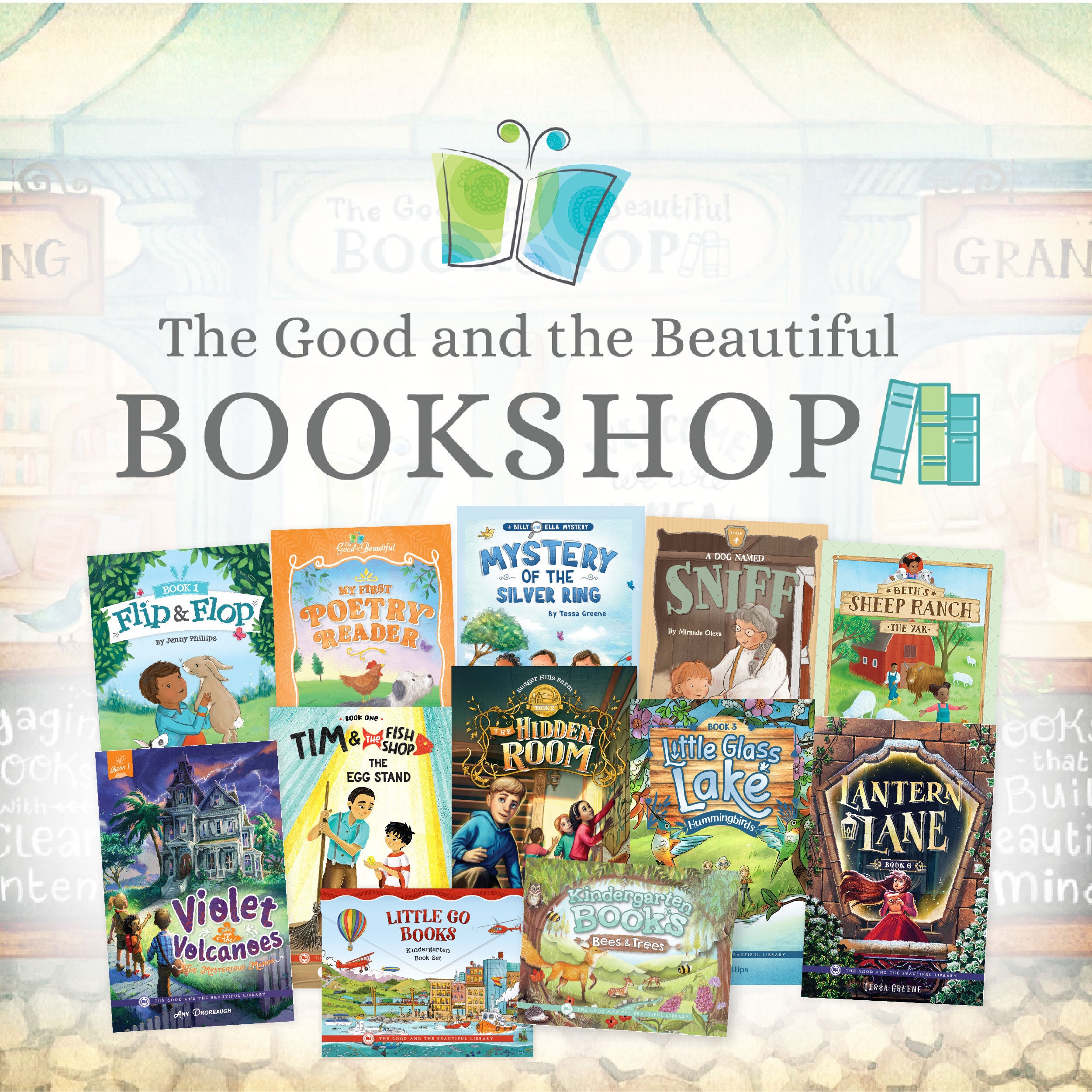
Games from The Good and the Beautiful
Free Games on the Blog
Swipe in mobile.





Related Posts
-

70 Fun Activities Grandparents Can Do with Gran...
Discover the benefits of grandparents spending time with their grandchildren, and download a list of 70 fun activities they can do together!
70 Fun Activities Grandparents Can Do with Gran...
Discover the benefits of grandparents spending time with their grandchildren, and download a list of 70 fun activities they can do together!
Read more 70 Fun Activities Grandparents Can Do with Grandkids -

Top Tips for Homeschool Organization
Homeschool organization tips to keep your space calm and clutter-free. Learn simple ways to organize curriculum, supplies, and homeschool schedules.
Top Tips for Homeschool Organization
Homeschool organization tips to keep your space calm and clutter-free. Learn simple ways to organize curriculum, supplies, and homeschool schedules.
Read more Top Tips for Homeschool Organization -

Alternatives to Public School: Choosing the Bes...
Considering alternatives to public school? Explore homeschooling, charter schools, private schools, and other options for your family.
Alternatives to Public School: Choosing the Bes...
Considering alternatives to public school? Explore homeschooling, charter schools, private schools, and other options for your family.
Read more Alternatives to Public School: Choosing the Best Option for Your Child -
 2 comments
6 Fun Ways to Teach Kids About the World Cup
⚽ Wondering how to make the FIFA World Cup an unforgettable educational experience for your kids? Engage your children with this epic soccer tournament!
2 comments6 Fun Ways to Teach Kids About the World Cup
⚽ Wondering how to make the FIFA World Cup an unforgettable educational experience for your kids? Engage your children with this epic soccer tournament!
Read more 6 Fun Ways to Teach Kids About the World Cup -
 3 comments
How Dads Do Homeschool
Wondering how dads do homeschool? In this post we explore the many ways homeschool dads contribute to their children’s education and character.
3 commentsHow Dads Do Homeschool
Wondering how dads do homeschool? In this post we explore the many ways homeschool dads contribute to their children’s education and character.
Read more How Dads Do Homeschool -
 5 comments
Homeschool Requirements
One of the first questions many parents ask when they begin to consider homeschooling is this: What are my state’s homeschooling requirements? Learn about the requirements and where to find...
5 commentsHomeschool Requirements
One of the first questions many parents ask when they begin to consider homeschooling is this: What are my state’s homeschooling requirements? Learn about the requirements and where to find...
Read more Homeschool Requirements -

How Much Does Homeschooling Cost?
Interested in homeschooling? Get a look at common homeschooling expenses to help you estimate costs and see how homeschooling might fit within your family's budget.
How Much Does Homeschooling Cost?
Interested in homeschooling? Get a look at common homeschooling expenses to help you estimate costs and see how homeschooling might fit within your family's budget.
Read more How Much Does Homeschooling Cost? -

What Is a Subordinating Conjunction?
Help your child memorize 16 commonly used subordinating conjunctions with the illustrated “Subordinating Conjunctions Song” and free worksheets from The Good and the Beautiful Level 5 Language Arts course.
What Is a Subordinating Conjunction?
Help your child memorize 16 commonly used subordinating conjunctions with the illustrated “Subordinating Conjunctions Song” and free worksheets from The Good and the Beautiful Level 5 Language Arts course.
Read more What Is a Subordinating Conjunction? -

What Are Being Verbs?
Help your child memorize the eight being verbs with the illustrated “Being Verbs Song” and free worksheets from The Good and the Beautiful Level 4 Language Arts course.
What Are Being Verbs?
Help your child memorize the eight being verbs with the illustrated “Being Verbs Song” and free worksheets from The Good and the Beautiful Level 4 Language Arts course.
Read more What Are Being Verbs? -

What Are Prepositions?
Help your child memorize more than 30 prepositions with the illustrated “Preposition Song” and free worksheets from The Good and the Beautiful Level 4 Language Arts course.
What Are Prepositions?
Help your child memorize more than 30 prepositions with the illustrated “Preposition Song” and free worksheets from The Good and the Beautiful Level 4 Language Arts course.
Read more What Are Prepositions? -

Are Homeschoolers Too Sheltered?
Many parents struggle with the question of how much to shelter their children from the difficulties and trials in life. Homeschool families are no exception. Are homeschoolers too sheltered? Jenny...
Are Homeschoolers Too Sheltered?
Many parents struggle with the question of how much to shelter their children from the difficulties and trials in life. Homeschool families are no exception. Are homeschoolers too sheltered? Jenny...
Read more Are Homeschoolers Too Sheltered? -
 1 comment
Do Kids Really Need to Learn Cursive?
Is learning cursive really necessary? You might be surprised by Jenny’s answer. In this blog post and video, she shares some of the benefits of learning cursive and how The...
1 commentDo Kids Really Need to Learn Cursive?
Is learning cursive really necessary? You might be surprised by Jenny’s answer. In this blog post and video, she shares some of the benefits of learning cursive and how The...
Read more Do Kids Really Need to Learn Cursive? -
 47 comments
Months of the Year
Learning the months of the year is easy with this adorable "Months of the Year" song that takes children through the changing seasons. Keep reading for fun activities to do...
47 commentsMonths of the Year
Learning the months of the year is easy with this adorable "Months of the Year" song that takes children through the changing seasons. Keep reading for fun activities to do...
Read more Months of the Year -
 8 comments
Days of the Week
Learning the names of the days is easy with this simple Days of the Week song from The Good and the Beautiful. Find fun ways to practice putting the days...
8 commentsDays of the Week
Learning the names of the days is easy with this simple Days of the Week song from The Good and the Beautiful. Find fun ways to practice putting the days...
Read more Days of the Week -
 28 comments
Top 5 Tips for Homeschool Planning
Wondering how to get ahead on homeschool prep this summer? Keep reading for Jenny’s top 5 tips to make this homeschool year the best one yet!
28 commentsTop 5 Tips for Homeschool Planning
Wondering how to get ahead on homeschool prep this summer? Keep reading for Jenny’s top 5 tips to make this homeschool year the best one yet!
Read more Top 5 Tips for Homeschool Planning -

Tips for Managing Summer Screen Time
Find simple, practical tips to help reduce screen use, encourage creativity, and create a more joyful and balanced summer for your family.
Tips for Managing Summer Screen Time
Find simple, practical tips to help reduce screen use, encourage creativity, and create a more joyful and balanced summer for your family.
Read more Tips for Managing Summer Screen Time -
 3 comments
Tips for Limiting Screen Time
Technology brings a wealth of information to our fingertips, but overuse of screen time has become an issue for many families. Jenny Phillips shares her family’s journey to limiting screen...
3 commentsTips for Limiting Screen Time
Technology brings a wealth of information to our fingertips, but overuse of screen time has become an issue for many families. Jenny Phillips shares her family’s journey to limiting screen...
Read more Tips for Limiting Screen Time -
 11 comments
Homeschooling Year-Round vs Traditional
Is a traditional or year-round homeschool schedule best for your family? Watch this video from The Good and the Beautiful YouTube channel to find out some benefits and drawbacks of...
11 commentsHomeschooling Year-Round vs Traditional
Is a traditional or year-round homeschool schedule best for your family? Watch this video from The Good and the Beautiful YouTube channel to find out some benefits and drawbacks of...
Read more Homeschooling Year-Round vs Traditional -

Is Sentence Diagramming Necessary for Learning ...
Sentence diagramming can be a grammar exercise students either love or run from. Sit down with Jenny Phillips in this video and blog post as she discusses how and why...
Is Sentence Diagramming Necessary for Learning ...
Sentence diagramming can be a grammar exercise students either love or run from. Sit down with Jenny Phillips in this video and blog post as she discusses how and why...
Read more Is Sentence Diagramming Necessary for Learning Grammar? -

What Is a Solar Eclipse?
Witnessing a total solar eclipse is a once-in-a-lifetime experience for most. Learn all about total solar eclipses and how to safely view one. Then download directions for a fun solar...
What Is a Solar Eclipse?
Witnessing a total solar eclipse is a once-in-a-lifetime experience for most. Learn all about total solar eclipses and how to safely view one. Then download directions for a fun solar...
Read more What Is a Solar Eclipse?


1 comment
I loved reading this blog! I am new to the homeschool journey and trying to keep my daughter interested in learning can be hard. I will be including some games into our lessons from now on! Thank you TGATB for always supplying resourceful information!